Fly Control Unit Positioning
Flying insect control is an essential part of an effective pest management programme within food manufacturing and processing facilities. However, simply installing UV fly control units is not enough. Where the units are positioned can have a significant impact on their effectiveness.
At Compliance Pest Control, we regularly assess UV fly control systems in food manufacturing environments to ensure units are positioned correctly, providing effective monitoring and control while supporting food safety and audit requirements.
Why Is UV Fly Control Unit Positioning Important?
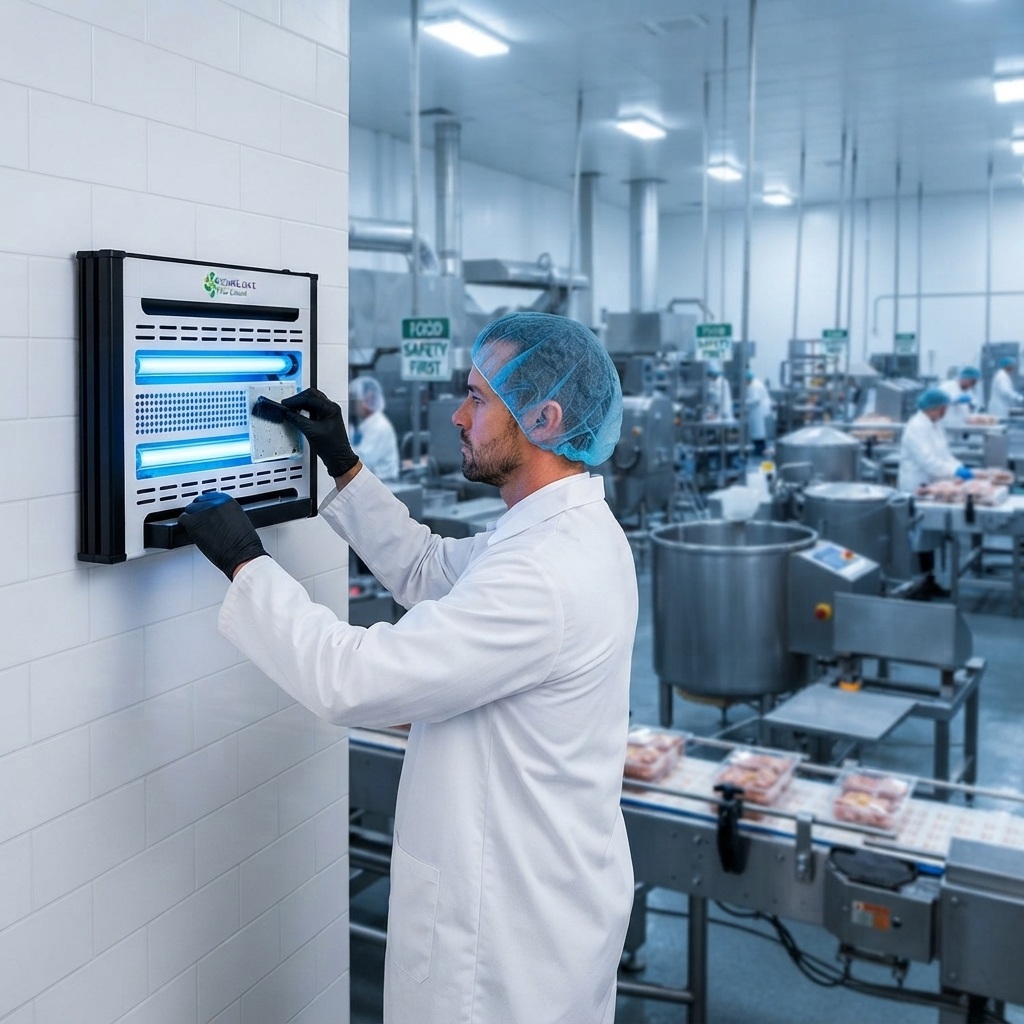
UV fly control units work by attracting flying insects towards a controlled light source, where they are then captured or controlled depending on the type of unit installed.
If a unit is positioned incorrectly, its effectiveness can be significantly reduced. Poor positioning may mean insects are attracted away from the unit, allowing them to enter production areas, settle on surfaces or potentially come into contact with food products.
Correct positioning helps ensure that flying insects are intercepted before they reach high-risk production areas.
Key Areas to Consider
When assessing the positioning of UV fly control units, several factors should be considered:
1. Potential Pest Entry Points
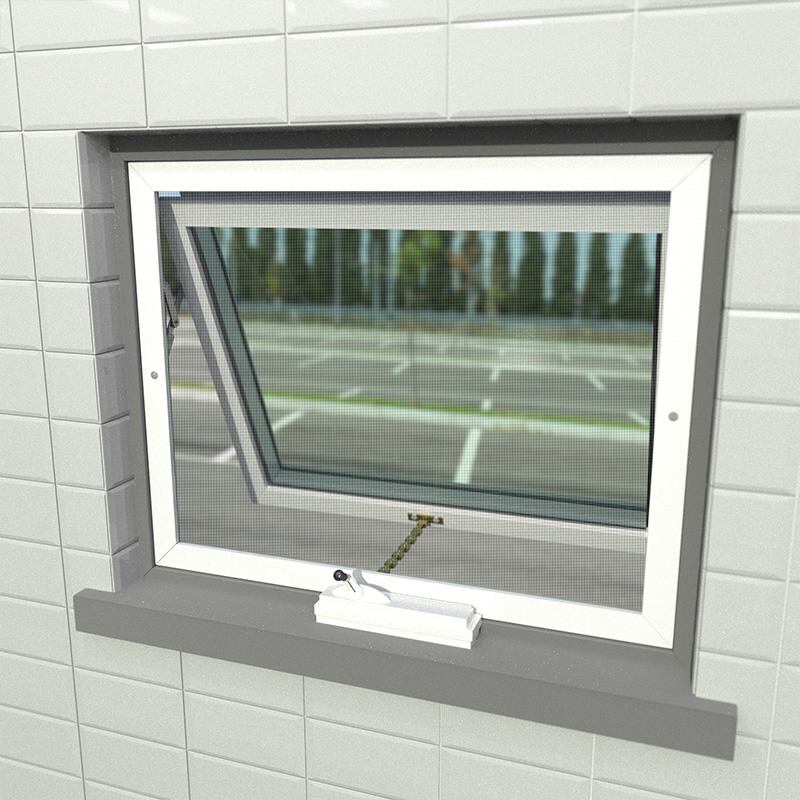
Units should be strategically positioned near potential flying insect entry points, such as doors, loading bays and other access areas. However, care must be taken to ensure the unit does not encourage insects further into a high-risk production area.
2. Doorways and Loading Areas
External doors and loading bays can present significant flying insect risks. Where appropriate, UV units can help intercept insects entering the building.
The positioning should also consider traffic flow, door opening frequency and the direction insects are likely to travel.
3. Avoid Positioning Above Food or Open Product
UV fly control units should not be positioned directly above exposed food, open production lines or areas where captured insects or debris could potentially contaminate products.
The type of unit, collection system and its position should all be considered as part of the site’s food safety risk assessment.
4. Consider Lighting Conditions
Competing light sources can affect the attractiveness of a UV unit to flying insects. Natural daylight, overhead lighting and other sources of illumination should therefore be considered when determining the most effective position.
5. Accessibility for Servicing
Units need to be positioned where technicians can safely access them for routine servicing, cleaning, maintenance and monitoring.
Poor accessibility can lead to reduced maintenance standards and ultimately affect the performance of the pest control programme.
Positioning Should Be Based on Risk
There is no single positioning plan that is suitable for every food manufacturing facility.
A professional assessment should consider the building layout, production processes, environmental conditions, pest pressure, entry points, personnel movement and food safety risks.
At Compliance Pest Control, our technical team can assess your existing UV fly control units and determine whether their quantity, positioning and coverage remain appropriate for your site.
LED Fly Control Technology
As part of a wider pest management programme, we can also advise on the benefits of upgrading older fluorescent UV fly control units to modern LED technology.
LED units can offer improved energy efficiency and, depending on the system selected, enhanced insect attraction and reduced ongoing energy consumption.
Any upgrade should, however, be considered alongside the overall risk assessment and the specific requirements of your facility.
Supporting BRCGS & Food Safety Compliance
Effective flying insect management is an important component of a comprehensive pest management programme within food manufacturing.
Correctly positioned UV fly control units, combined with regular servicing, monitoring, trend analysis and preventative measures, can help demonstrate that flying insect risks are being actively managed.
This can form an important part of maintaining robust pest control procedures and supporting BRCGS, HACCP, SALSA and customer audit requirements.
Need Advice on Your Fly Control System?
If you are unsure whether your UV fly control units are in the right locations, Compliance Pest Control can help.
We can provide professional advice and arrange a free initial consultation and site survey to review your current flying insect control arrangements, identify potential improvements and discuss the most appropriate solution for your facility.
Don’t just install fly control units—make sure they are working where they matter most.
Contact Compliance Pest Control
📞 0333 335 6285
Our experienced pest management team can help food manufacturers review their flying insect control systems and develop an effective, practical and compliant pest management strategy.