Peak months for Rodent Activity
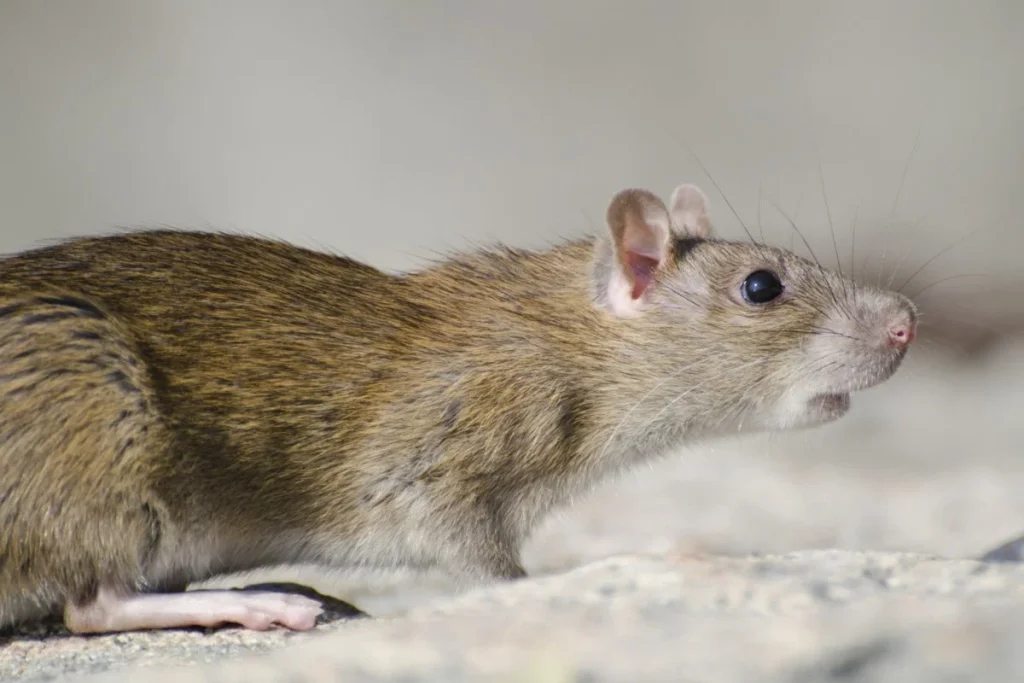
As temperatures drop and outdoor food sources become scarcer, rats and mice begin looking for somewhere warm, sheltered and secure. For homeowners and businesses across Wales and the South West of England, October and November are important months for preventing unwanted pest activity indoors.
As autumn progresses, changing weather conditions influence the behaviour of many common pests. While rodents remain active throughout the year, their presence inside buildings often becomes more noticeable during the colder months. As outdoor food sources dwindle and temperatures fall, rats and mice are increasingly encouraged to explore buildings in search of food, warmth and suitable nesting locations.
At Compliance Pest Control Ltd, we encourage property owners and businesses to take a proactive approach to pest prevention before minor signs of activity develop into a more established problem.
Why Do Rats and Mice Come Indoors in Autumn?
During the warmer months, gardens, fields, hedgerows and outdoor waste areas can provide rodents with plentiful food and shelter. As vegetation dies back, crops are harvested and natural food supplies become less reliable, buildings can become increasingly attractive.
October and November are therefore an ideal time to review pest prevention measures and look for signs of rodent activity.
Buildings provide several things that rats and mice need to survive:
- Warmth and shelter: Roof voids, wall cavities, cupboards, storage rooms and areas beneath floors can offer protected nesting locations.
- Reliable food sources: Food waste, unsecured bins, pet food, bird seed and poorly stored dry goods can attract rodents.
- Access to water: Leaking pipes, dripping taps and standing water can provide additional resources.
- Safe harbourage: Cluttered storage areas, redundant equipment and undisturbed spaces can provide opportunities for rodents to nest.
Once rodents gain access to a building, they may remain largely concealed. Activity can go unnoticed until droppings, gnawing damage or scratching sounds become apparent.
The Warning Signs You Should Never Ignore
Early identification is one of the most effective ways to prevent a small rodent problem from becoming more difficult to manage.
Look out for the following signs around your property:
1. Droppings
Small, dark droppings may be found along skirting boards, behind appliances, within cupboards, in roof spaces or around stored goods. Their location and appearance can help a pest management professional assess the likely species and level of activity.
2. Scratching or movement sounds
Scratching, scurrying or movement within ceilings, wall cavities and under floors may indicate rodent activity, particularly when heard at night.
3. Gnawing damage
Rats and mice gnaw a range of materials. Look for damage to food packaging, cardboard, timber, plastic containers and other stored items. Rodents can also damage electrical cables and insulation.
4. Smear marks and unusual odours
Repeated movement along established routes can leave marks on surfaces. Persistent, musty odours in enclosed areas may also warrant further investigation.
5. Disturbed food or nesting materials
Torn packaging, spilled food and shredded paper or insulation can indicate that rodents are feeding or nesting nearby.
If you identify any of these signs, investigate promptly rather than assuming the problem will disappear when the weather changes.
How to Reduce the Risk of Rodents Entering Your Property
Effective rodent prevention starts with making your building less accessible and less attractive to pests.
Inspect and maintain the building exterior. Check around doors, windows, pipework, service penetrations, air bricks and damaged brickwork for potential entry points. Repair defects and use suitable rodent-resistant proofing materials.
Keep food securely stored. Store food in appropriate sealed containers, maintain good stock rotation and clean up spills promptly. In commercial premises, pay particular attention to food storage, waste handling and delivery areas.
Manage waste carefully. Keep refuse in secure, well-maintained bins and ensure lids are closed. Clean up food residues around waste storage areas and avoid allowing rubbish to accumulate.
Reduce outdoor harbourage. Keep vegetation under control around buildings, remove unnecessary clutter and inspect sheds, outbuildings and storage areas for signs of activity.
Address fallen fruit and bird food. Fallen fruit, spilled bird seed and accessible animal feed can provide valuable food sources for rodents. Remove fallen produce regularly and manage feeding areas carefully.
Monitor vulnerable areas. Roof voids, plant rooms, warehouses, loading bays, kitchens and stockrooms should be checked regularly for signs of activity, particularly where food or materials are stored.
Why Businesses Need to Be Especially Vigilant
For commercial premises, rodent activity can create more than an inconvenience. It may compromise hygiene standards, contaminate stock, damage property and introduce additional challenges during food safety audits.
Food manufacturers, warehouses, hospitality businesses and other sites with stringent hygiene requirements should ensure that pest prevention forms part of their wider hygiene and maintenance procedures.
A structured pest management programme should include routine inspections, appropriate monitoring devices, accurate service records, assessment of potential entry points and timely corrective action where required.
For sites operating under standards such as BRCGS or SALSA, documented monitoring and effective preventative measures can help demonstrate that pest risks are being managed appropriately.
Prevention should always be supported by good housekeeping, building maintenance and a suitable integrated pest management strategy.
What Should You Do If You Suspect a Rodent Problem?
If you notice droppings, gnawing damage or other signs of rodent activity, avoid disturbing potential nesting areas unnecessarily. Remove accessible food sources, maintain good hygiene and seek a professional assessment to establish the likely source of the problem and identify appropriate control measures.
Simply placing bait or traps without investigating how rodents are entering a building may not address the underlying cause. A professional inspection can help identify access routes, harbourage areas and environmental conditions contributing to the issue.
Rodenticide should only be used where justified, in accordance with the product label and applicable requirements, with appropriate consideration given to children, pets, wildlife and other non-target animals.
Protect Your Property Before Winter
October and November provide an important opportunity to strengthen pest prevention measures before colder weather becomes established. Taking action early can help reduce the likelihood of rodents gaining access to buildings and establishing nesting sites in concealed areas.
At Compliance Pest Control Ltd, we provide professional pest management services for domestic and commercial properties across Wales and the South West of England. Our approach focuses on identifying the cause of pest activity, implementing appropriate control measures and helping customers maintain effective long-term prevention.
If you have noticed signs of rats or mice, or would like to review your existing pest management arrangements, our team can help.
Contact Compliance Pest Control Ltd
- Telephone: 0333 335 6285
- Email: info@compliancepestcontrol.com
- Website: www.compliancepestcontrol.com
Professional Pest Management. Technical Expertise. Complete Compliance.